Austrian-Polish Conductor
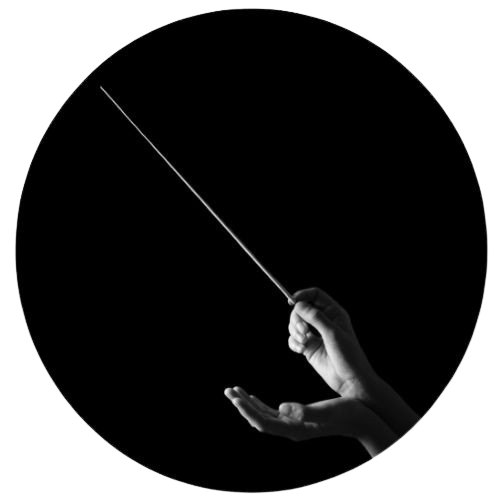
Anda Kitschmann, the daughter of a renowned Lviv theater director and the librettist and translator Adolf Kitschmann, holds the distinction of being the first female conductor in Poland.
She became the first Polish woman to study conducting, graduating with a gold medal from the Conductors’ School at the Academy in Vienna in 1911. Upon completing her studies, she returned to Lviv in 1912 and debuted as a composer with the operetta The Golden-Haired Page. That same year, her ballet miniature Mazurka was staged at the New Theater in Warsaw. Kitschmann made her conducting debut at the New Theater on August 8, 1913, directing the premiere of the pantomime Sumurun, which featured Pola Negri. She later composed the ballet pantomime Aphrodite for Negri. Until 1918, she conducted at the New Theater, working on operettas such as Market for Girls, Mischievous Women, and Florabella.
In addition to her conducting career, Kitschmann was an accomplished pianist, performing a Chopin recital on November 28, 1915. Beginning in 1916, she also appeared as a singer and actress in Warsaw cabarets such as Miraż, Czarny Kot, and Argus, where she performed her own songs with great energy, accompanying herself on the piano.
After World War I, Kitschmann continued her artistic pursuits in Lviv, where she contributed to the cabaret Four as a composer, songwriter, singer, and pianist. She also directed the Semafor cabaret and served as a vocal tutor at the Grand Theater in Warsaw, leading vocal groups.
During World War II, Kitschmann was arrested by occupying authorities. After the war, she co-founded the Siedem kotów cabaret in Krakow. She composed music for numerous plays, including About the Dwarfs and the Orphan Mary, Down the Vistula River, Pinocchio, and The Snow Queen. Among her popular songs were Anda, Legions, Lwowianka, Mańka, Warsaw, King’s Tabby, and I’ll Go for a Walk in Aleje.
In addition to her extensive musical work, Kitschmann translated theater plays and librettos for operas and operettas. She published her memoirs of the cabaret Four in the volume Dymek z Cigarette. Many of her songs were published after World War I, primarily by the Lviv publishing house G. Seyfarth, and are now preserved in the National Library in Warsaw.